What is Polycystic Ovary Syndrome (PCOS)?
Polycystic Ovary Syndrome (PCOS) is a common hormonal disorder that affects people with ovaries, often during their reproductive years. PCOS is characterized by a combination of symptoms, including irregular menstrual cycles, excess androgen (male hormones), and polycystic ovaries. It can lead to various health issues, including infertility, metabolic problems, and increased risk of chronic conditions.
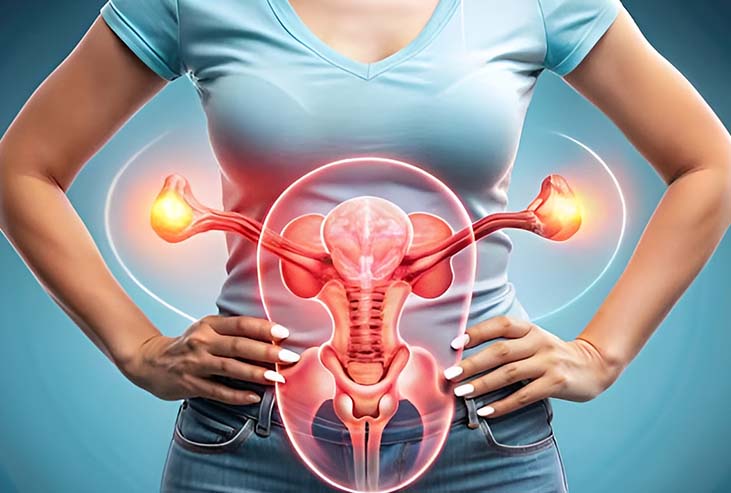
Causes of Polycystic Ovary Syndrome
-
Genetics: A family history of PCOS may increase the likelihood of developing the condition.
-
Hormonal Imbalances: Elevated levels of insulin and androgens can contribute to the symptoms of PCOS.
-
Inflammation: Chronic low-grade inflammation may play a role in the development of PCOS.
-
Environmental Factors: Factors such as diet, lifestyle, and exposure to endocrine disruptors may influence the onset of PCOS.
Symptoms of Polycystic Ovary Syndrome
-
Irregular Menstrual Cycles: Infrequent or absent menstrual periods are common.
-
Excess Hair Growth: Hirsutism, or excessive hair growth on the face and body, is a common symptom.
-
Acne and Oily Skin: Increased androgen levels can lead to acne and oily skin.
-
Weight Gain: Many individuals with PCOS experience weight gain or difficulty losing weight.
-
Polycystic Ovaries: Enlarged ovaries with multiple small cysts can be detected via ultrasound.
Managing PCOS involves a combination of lifestyle changes, medical treatments, and regular monitoring. If you suspect you have PCOS or experience related symptoms, it is essential to consult a healthcare provider for proper diagnosis and treatment options.