What are Irregular Menstrual Cycles?
Irregular menstrual cycles refer to variations in the timing, frequency, or flow of menstruation. A typical menstrual cycle ranges from 21 to 35 days, and cycles outside of this range may be considered irregular. Irregular menses can be a sign of hormonal imbalances, underlying health issues, or lifestyle factors and can impact a woman’s reproductive health.
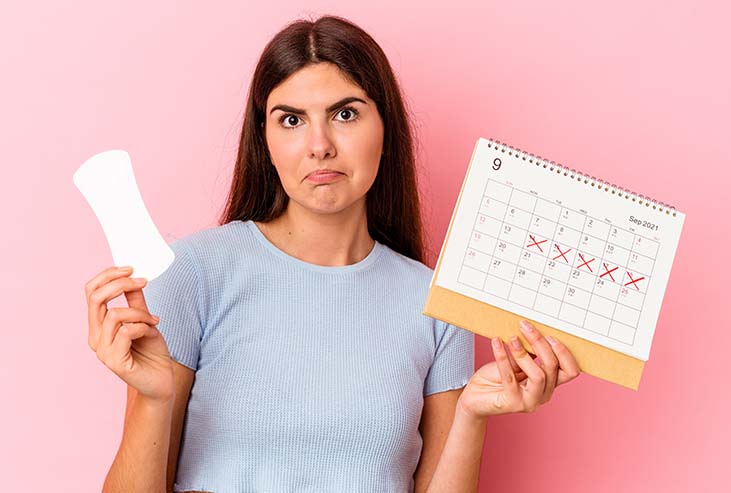
Causes of Irregular Menstrual Cycles
-
Hormonal Imbalances: Fluctuations in hormones such as estrogen and progesterone can disrupt the menstrual cycle.
-
Stress: High levels of stress can affect the hypothalamus, leading to irregularities in the menstrual cycle.
-
Polycystic Ovary Syndrome (PCOS): A common endocrine disorder that can cause irregular ovulation and menstrual cycles.
-
Excessive Exercise: Intense physical activity or changes in body weight can lead to disruptions in menstruation.
-
Chronic Conditions: Conditions such as thyroid disorders, diabetes, or obesity can impact menstrual regularity.
Symptoms of Irregular Menstrual Cycles
-
Skipped Periods: Missing one or more menstrual cycles.
-
Heavy or Prolonged Bleeding: Unusually heavy periods or bleeding that lasts longer than normal.
-
Unpredictable Cycle Length: Cycles that vary significantly in length from month to month.
-
Severe Cramps: Increased discomfort during menstruation compared to normal cycles.
-
Other Hormonal Symptoms: Symptoms such as acne, weight gain, or hair growth can accompany irregular menses.
If you experience irregular menstrual cycles, it is essential to consult a healthcare provider to identify any underlying causes and discuss potential treatments. Addressing irregularities early can help manage reproductive health effectively.