What is Constipation?
Constipation is a common digestive condition characterized by infrequent bowel movements or difficulty passing stools. It can lead to discomfort, bloating, and a feeling of incomplete evacuation. While the frequency of bowel movements varies from person to person, having fewer than three bowel movements per week is typically considered constipation.
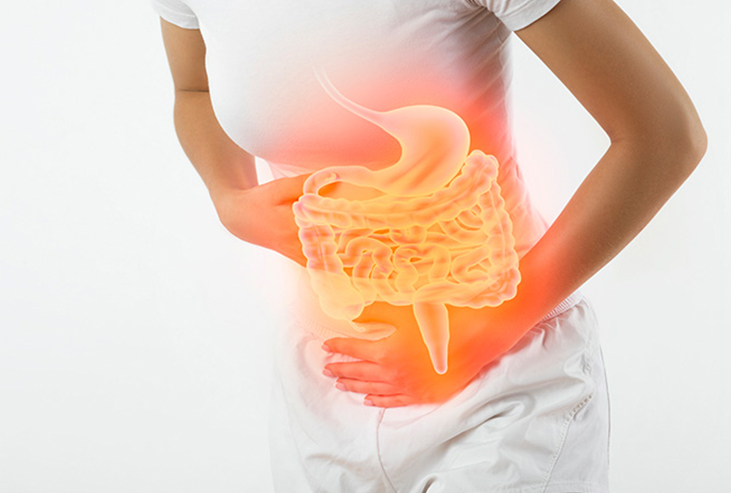
Causes of Constipation
-
Low Fiber Diet: A diet lacking in fiber-rich foods such as fruits, vegetables, and whole grains can lead to constipation.
-
Dehydration: Insufficient water intake can cause stool to become hard and difficult to pass.
-
Physical Inactivity: A sedentary lifestyle can slow down bowel movements, contributing to constipation.
-
Medications: Certain medications, including opioids and some antidepressants, can affect bowel function.
-
Ignoring Urges: Habitually ignoring the urge to have a bowel movement can disrupt normal bowel function over time.
-
Medical Conditions: Conditions such as hypothyroidism, diabetes, and neurological disorders can impact bowel regularity.
Symptoms of Constipation
-
Infrequent Bowel Movements: Having fewer than three bowel movements per week.
-
Hard or Lumpy Stools: Stools that are difficult to pass and may require straining.
-
Abdominal Discomfort: Cramping or pain in the abdomen often associated with constipation.
-
Feeling of Incomplete Evacuation: A sensation that the bowel has not been completely emptied.
-
Excessive Straining: Difficulty and strain during bowel movements.
Constipation can affect anyone and is often manageable through dietary changes, increased hydration, and lifestyle modifications. In some cases, over-the-counter laxatives or medical evaluation may be necessary to address underlying causes.